
Understanding the Essential Medical Tweezers Name and Their Clinical Applications
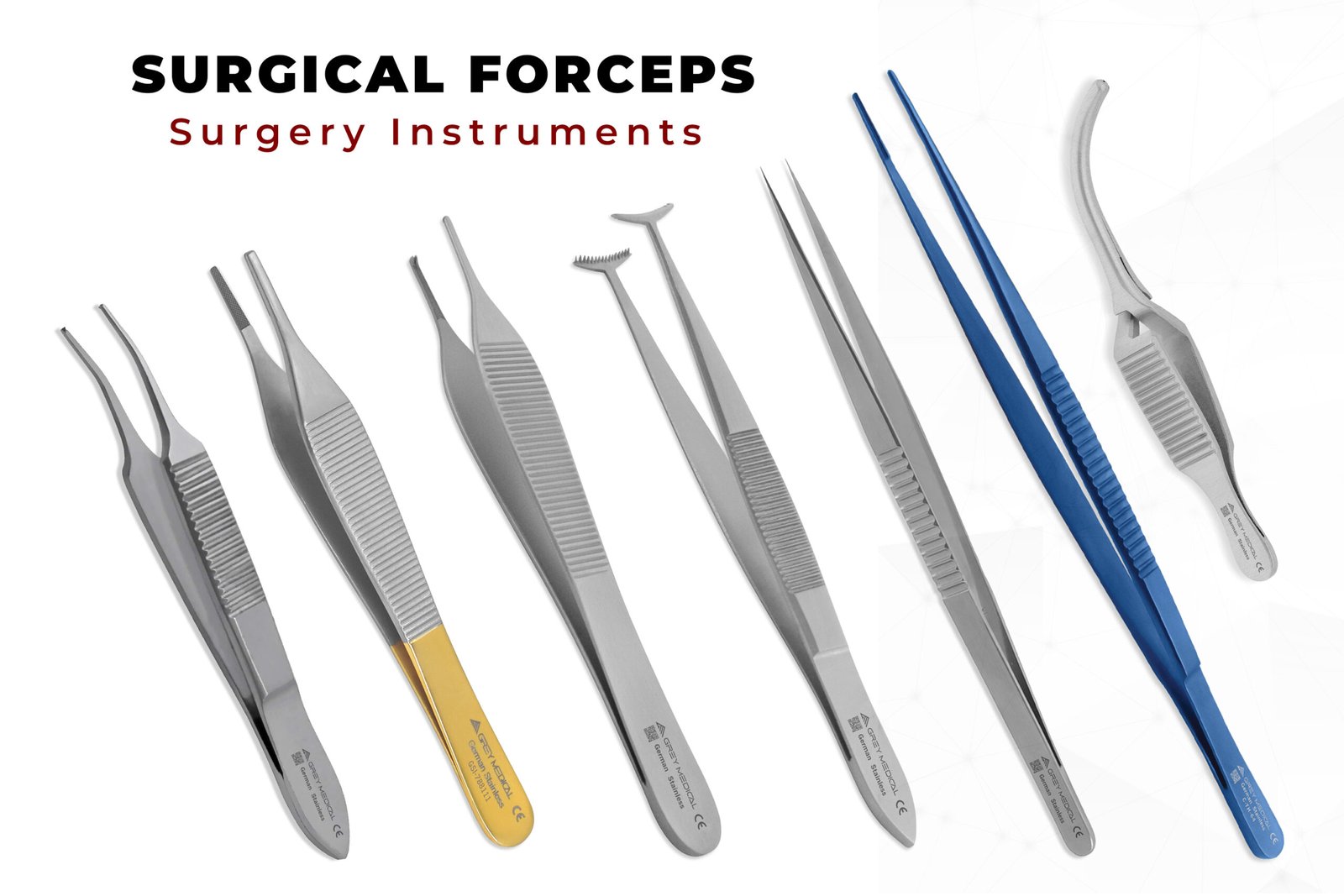
Welcome to Grey Medical, your trusted partner in premium-quality surgical instruments. With decades of experience in the medical industry, we pride ourselves on delivering precision-crafted tools designed to meet the rigorous demands of surgeons, doctors, and medical professionals worldwide. Selecting the exact medical tweezers name is a foundational skill for operating room staff, nurses, and clinicians to ensure seamless communication during critical procedures. While casual observers often group all small grasping tools together, medical professionals rely on distinct anatomical and functional classifications to pick the right tool for delicate tissue handling, suturing, or dressing changes.
Exploring the Most Common Types of Dressing Forceps
In general wound care and basic clinical examinations, dressing forceps represent the most frequently requested medical tweezers name across hospitals and outpatient clinics. Instruments such as Potts-Smith and standard thumb dressing forceps feature serrated tips designed specifically to grip sterile gauze, cotton swabs, and bandages without slipping. Because their tips lack sharp teeth, these instruments allow practitioners to pack wounds or remove debris safely while minimizing the risk of puncturing fragile healing tissue or damaging delicate medical dressings.
Identifying Precision Tissue Forceps for Delicate Surgery
When surgical procedures require a firm yet atraumatic hold on human anatomy, surgeons turn to specialized tissue forceps rather than standard dressing tools. Knowing the specific medical tweezers name within this category—such as Adson, DeBakey, or Brown-Adson forceps—allows surgical teams to match tip geometry to tissue density. DeBakey forceps feature fine longitudinal serrations ideal for gripping blood vessels during cardiovascular surgery, whereas Adson tissue forceps utilize tiny interlocking teeth at the tip to secure tough skin edges during wound closure without crushing surrounding cells.
Microsurgical and Ophthalmic Forceps for Microscopic Precision
Procedures involving the eye, inner ear, or peripheral nerves demand ultra-fine instruments capable of manipulating structures invisible to the naked eye. In these specialized settings, referencing the proper medical tweezers name like Jeweler’s forceps, Bishop-Harmon forceps, or Castroviejo suturing forceps is vital for surgical accuracy. Engineered with counterbalanced scalpel blade handle and razor-sharp, microscopic tips, these instruments prevent hand fatigue and allow surgeons to handle ultra-fine sutures and delicate membranes with absolute stability.
Splinter and Foreign Body Removal Instruments
Emergency departments and urgent care facilities routinely manage embedded splinters, glass shards, and superficial debris requiring targeted extraction tools. Recognizing the correct medical tweezers name for foreign body retrieval, such as Feilchenfeld splinter forceps or fine-point Carmalt splinter forceps, ensures quick and clean removal. Unlike flat-tipped dressing tweezers, splinter forceps taper into sharp, narrow points that can penetrate small skin openings to grasp the exact edge of an embedded object without pushing it deeper into the dermis.
Material Quality and Ergonomic Design Standards
Beyond tip geometry and nomenclature, the clinical performance of any grasping instrument depends heavily on metallurgical quality and ergonomic balance. High-grade surgical stainless steel provides essential corrosion resistance against repeated autoclave sterilization cycles, while tungsten carbide inserts enhance tip durability and grip security over thousands of uses. Properly calibrated spring tension in the handle ensures that clinicians maintain tactile feedback and control, preventing tissue slippage during prolonged or intricate operations.
Conclusion
Mastering the specific terminology behind surgical grasping instruments streamlines operating room efficiency, improves inventory management, and elevates patient safety standards. Whether equipping a general examination room with standard dressing forceps or outfitting a microsurgical suite with specialized tissue instruments, knowing each tool by its proper classification ensures every procedure runs smoothly. Grey Medical remains dedicated to supplying healthcare facilities worldwide with meticulously engineered instruments built for lasting clinical precision.