
Reliable Commercial Solar Energy & Battery Storage Solutions in Melbourne – Alltrics Energy
1. Introduction to Solar Energy Solutions in Melbourne
As electricity prices continue to rise and businesses look for smarter ways to manage their energy consumption, solar power has become an increasingly popular choice across Melbourne. Commercial properties, industrial facilities, warehouses, offices, and retail businesses are exploring renewable energy solutions to reduce electricity expenses and improve long-term energy efficiency.
Alltrics Energy provides solar energy solutions designed to help businesses make better use of renewable electricity. With a focus on solar battery storage solutions in Melbourne and commercial solar panel installation in Melbourne, businesses can explore reliable ways to generate, store, and utilise clean energy.
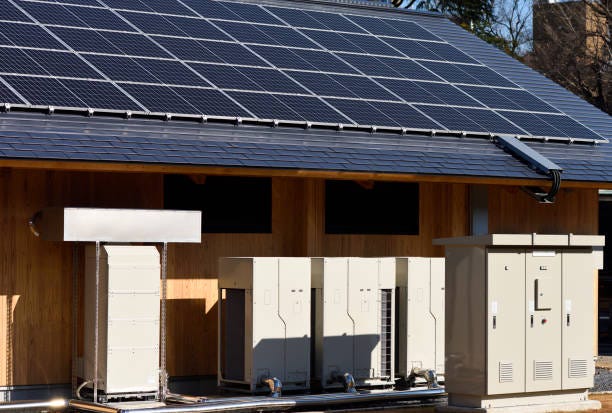
Commercial solar systems allow businesses to generate electricity from sunlight, while battery storage systems help store excess energy for later use. Combining these technologies can improve energy management, reduce dependence on grid electricity, and support more sustainable business operations.
2. Understanding Commercial Solar Panel Installation in Melbourne
Commercial solar panel installation involves setting up photovoltaic (PV) panels on business premises to convert sunlight into usable electricity. These systems are designed according to the property’s electricity consumption, available roof space, energy requirements, and operational needs.
Melbourne businesses can benefit from commercial solar installations because many commercial properties have large rooftop areas that can accommodate solar panels.
Some common businesses that can benefit from commercial solar installations include:
- Warehouses: Large rooftop spaces provide opportunities for installing commercial solar systems.
- Manufacturing Facilities: Solar energy can help offset the electricity consumed by machinery and equipment.
- Office Buildings: Businesses can use solar-generated electricity for lighting, computers, air conditioning, and other electrical systems.
- Retail Stores: Shopping centres and retail outlets can reduce their dependence on conventional electricity.
- Educational Institutions: Schools and training facilities can explore renewable energy to support their daily operations.
- Industrial Properties: Energy-intensive businesses can investigate solar solutions to improve their overall energy management.
Alltrics Energy helps businesses explore commercial solar options that align with their property requirements and electricity consumption.
3. Benefits of Commercial Solar Panel Installation
Installing commercial solar panels offers several advantages for businesses looking to manage electricity costs and adopt sustainable energy practices.
3.1 Reduced Electricity Expenses
One of the primary reasons businesses invest in commercial solar systems is the opportunity to reduce electricity bills. Solar panels generate electricity during daylight hours, allowing businesses to use their own generated power instead of relying entirely on grid electricity.
The amount saved depends on factors such as system capacity, electricity consumption, solar generation, and applicable electricity tariffs.
3.2 Better Energy Independence
Commercial solar installations allow businesses to generate a portion of their electricity on-site. This can reduce their exposure to changing electricity prices and provide greater control over energy consumption.
When combined with battery storage, businesses can also store surplus solar electricity for use when solar generation is low.
3.3 Environmentally Friendly Operations
Solar energy is a renewable source of electricity that helps reduce reliance on fossil-fuel-based grid power. Businesses adopting solar solutions can support lower operational emissions and demonstrate their commitment to environmentally responsible practices.
3.4 Long-Term Energy Planning
A properly designed solar installation can become a valuable long-term business investment. By understanding their electricity usage and selecting suitable system capacity, businesses can develop a more predictable energy management strategy.
4. Solar Battery Storage Solutions in Melbourne
Solar battery storage solutions are becoming an important part of modern commercial energy systems. While solar panels generate electricity during daylight hours, battery storage allows businesses to save surplus electricity and use it later.
During periods of strong sunlight, a solar system may generate more electricity than the business requires. Instead of sending all excess electricity to the grid, a compatible battery system can store a portion of that energy for future consumption.
Stored electricity can then be used during the evening, early morning, or other periods when solar panels are not generating sufficient power.
For Melbourne businesses, solar battery storage can provide additional flexibility in managing electricity demand.
Key Features of Solar Battery Storage Systems
- Energy Storage: Stores surplus electricity generated by solar panels.
- Flexible Energy Usage: Allows businesses to use stored electricity when solar generation decreases.
- Improved Solar Utilisation: Helps businesses make greater use of the electricity generated by their solar installations.
- Energy Management: Supports better planning of electricity consumption throughout the day.
- Backup Capabilities: Certain compatible systems can provide backup power to selected circuits during grid outages, depending on their configuration.
Alltrics Energy helps businesses explore solar energy solutions that may include battery storage according to their energy requirements.
5. Advantages of Combining Solar Panels with Battery Storage
Combining commercial solar panels with battery storage can create a more flexible energy system for businesses.
5.1 Use Solar Energy Beyond Daylight Hours
Solar panels generally generate the most electricity during daylight hours. However, many businesses continue operating after sunset or have electricity requirements outside peak solar production periods.
Battery storage allows businesses to store excess solar generation and use it when required, helping extend the usefulness of their solar installation.
5.2 Manage Peak Electricity Demand
Some businesses experience higher electricity consumption during specific operating periods. Depending on the electricity tariff and battery configuration, stored solar energy may help reduce the amount of electricity purchased from the grid during expensive peak periods.
5.3 Improve Energy Flexibility
Battery systems give businesses more control over when they consume stored electricity. This can be particularly useful for commercial properties with changing energy requirements throughout the day.
5.4 Support Business Continuity
Certain battery systems offer backup functionality during electricity interruptions. When designed with suitable backup equipment and electrical configurations, they can supply selected essential circuits.
Businesses should understand that not every solar battery system automatically provides backup power. The required configuration should be confirmed before installation.
6. How Does a Commercial Solar and Battery Storage System Work?
Understanding how solar panels and battery storage work together can help businesses make informed investment decisions.
The process generally involves the following steps:
- Solar Energy Generation: Solar panels capture sunlight and convert it into direct current (DC) electricity.
- Electricity Conversion: An inverter converts DC electricity into alternating current (AC) electricity suitable for most commercial equipment.
- Business Electricity Consumption: The generated electricity is used to operate lighting, machinery, computers, air conditioning, and other electrical equipment.
- Battery Charging: When solar generation exceeds immediate electricity requirements, compatible systems can direct surplus energy into battery storage.
- Stored Energy Usage: The stored electricity can be used later when solar production is insufficient.
- Grid Interaction: Depending on system configuration, additional electricity can be imported from or exported to the electricity grid.
This combination allows businesses to generate, consume, and store electricity through an integrated renewable energy system.
7. Choosing the Right Commercial Solar System for Your Business
Every commercial property has different energy requirements. Selecting the right solar system involves understanding electricity consumption, property conditions, and future business needs.
Before installing a commercial solar system, businesses should consider the following factors:
7.1 Electricity Consumption
Reviewing electricity bills helps identify how much energy the business consumes and when electricity demand is highest. This information helps determine an appropriate solar system size.
7.2 Available Roof Space
The available rooftop area, orientation, structural condition, and shading can influence the number and placement of solar panels.
7.3 Solar System Capacity
Solar system capacity should match the property’s energy requirements and available installation space. Installing a system that is too small or unnecessarily large may affect the overall financial benefits.
7.4 Battery Storage Requirements
Businesses should assess whether battery storage is suitable for their operating schedule. Properties with significant evening consumption or specific backup requirements may benefit from evaluating battery options.
7.5 Future Energy Requirements
Businesses planning to expand operations, add machinery, install electric vehicle charging stations, or increase electricity consumption should consider these future requirements during system planning.
8. Why Melbourne Businesses Should Consider Solar Energy
Melbourne receives sunlight throughout the year, making solar power an option worth evaluating for commercial properties. Although solar generation changes with seasonal weather conditions, a properly designed system can generate useful electricity across different times of the year.
Businesses across Melbourne can explore solar energy to support several operational objectives:
- Reducing reliance on conventional grid electricity.
- Managing long-term electricity expenses.
- Improving the use of available rooftop space.
- Supporting environmentally responsible business practices.
- Increasing control over daily energy consumption.
- Exploring battery storage for additional energy flexibility.
From small commercial premises to large industrial facilities, solar energy can be considered as part of a broader business sustainability strategy.
9. The Commercial Solar Installation Process
A successful commercial solar installation requires proper planning, technical assessment, and professional installation.
The process generally includes the following stages:
Step 1: Initial Consultation
The business discusses its energy requirements, electricity consumption, property details, and solar installation objectives.
Step 2: Site Assessment
The property is assessed to understand roof conditions, available installation space, shading, electrical infrastructure, and other technical considerations.
Step 3: System Design
A suitable solar system is designed according to the property’s electricity requirements and installation conditions. Battery storage can also be considered where appropriate.
Step 4: Installation Planning
Installation requirements, equipment selection, electrical arrangements, and applicable approvals are reviewed before work begins.
Step 5: Professional Installation
Solar panels, inverters, battery equipment (where included), and associated electrical components are installed according to relevant technical and safety requirements.
Step 6: Testing and Commissioning
The completed system is inspected, tested, and commissioned to ensure that its components operate correctly.
Step 7: Ongoing Monitoring
Businesses can monitor solar generation and energy consumption using compatible monitoring systems to understand system performance.
10. Important Factors to Consider Before Installing Solar Battery Storage
Although battery storage offers several benefits, businesses should evaluate their requirements carefully before making an investment.
Some important considerations include:
- Battery Capacity: Select a storage capacity based on electricity consumption and the amount of surplus solar energy available.
- Battery Technology: Compare available battery technologies, performance specifications, safety features, and warranties.
- Inverter Compatibility: Ensure that the battery and inverter are compatible with the proposed solar installation.
- Installation Location: Consider ventilation, environmental conditions, accessibility, and manufacturer installation requirements.
- Backup Requirements: Identify whether backup electricity is required and which equipment or circuits need to remain operational.
- Financial Evaluation: Compare installation expenses, expected energy savings, maintenance requirements, and the overall payback period.
- System Expansion: Consider whether the system can accommodate future battery or solar capacity upgrades.
A detailed assessment can help businesses choose a solution that suits their operational and financial objectives.
11. How Commercial Solar Energy Supports Business Sustainability
Sustainability has become an important consideration for modern businesses. Customers, employees, suppliers, and business partners increasingly value organisations that take responsible steps towards reducing their environmental impact.
Commercial solar installations can support these efforts by generating renewable electricity directly at the business premises.
Businesses can benefit from solar energy as part of their sustainability initiatives through:
- Reducing dependence on conventional electricity sources.
- Supporting lower operational carbon emissions.
- Making productive use of available rooftop space.
- Improving awareness of energy consumption.
- Building a long-term renewable energy strategy.
- Demonstrating a commitment to environmentally responsible operations.
Adding battery storage can further improve the flexibility of renewable electricity usage by allowing businesses to store excess solar generation for later consumption.
12. Why Choose Alltrics Energy for Solar Solutions in Melbourne?
Choosing the right solar energy provider is an important step towards achieving reliable and efficient commercial energy management.
Alltrics Energy focuses on helping businesses explore solar energy solutions that match their operational requirements. Whether a business is considering commercial solar panel installation or looking into solar battery storage solutions in Melbourne, selecting an appropriate system is essential.
Businesses should look for a solar provider that understands their electricity consumption, property conditions, technical requirements, and long-term energy goals.
Important qualities to consider include:
- Business-Focused Solutions: Solar recommendations should reflect the property’s actual electricity requirements.
- Proper System Planning: System design should consider available roof space, energy usage, and installation conditions.
- Quality Equipment: Suitable solar panels, inverters, and battery components are important for system performance.
- Professional Installation: Electrical work and installation should meet relevant Australian standards and safety requirements.
- Energy Management Guidance: Businesses should understand how to monitor and make effective use of their solar systems.
- Long-Term Value: A solar installation should be evaluated according to its expected performance, operating costs, and potential financial benefits.
Alltrics Energy provides businesses with an opportunity to explore renewable energy options and take practical steps towards improved energy management.
13. The Future of Commercial Solar and Battery Storage in Melbourne
The adoption of renewable energy is expected to remain an important part of Australia’s changing energy landscape. Businesses are increasingly exploring ways to reduce electricity expenses, improve energy efficiency, and adopt more sustainable operating practices.
Technological improvements in solar panels, inverters, battery systems, and energy monitoring solutions are creating new opportunities for commercial properties.
Smart energy management systems can help businesses understand electricity generation and consumption patterns. When integrated with compatible battery storage, these technologies can support more informed decisions about when to use, store, or export electricity.
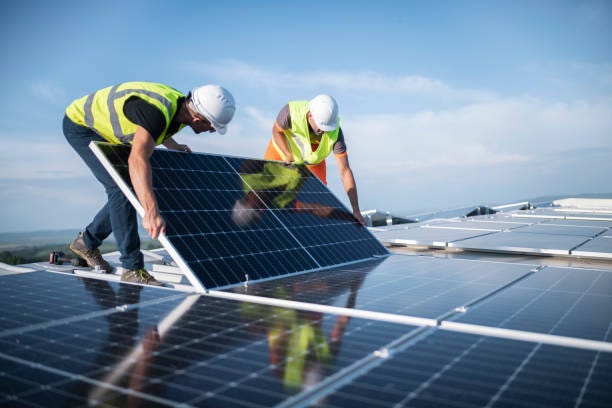
For Melbourne businesses, investing in commercial solar and battery storage can be a practical step towards building a more flexible and sustainable energy system.
14. Conclusion
Commercial solar energy and battery storage provide businesses with opportunities to generate renewable electricity, manage energy consumption, and reduce their dependence on conventional grid power.
Whether you operate a warehouse, manufacturing facility, office, retail outlet, or industrial property, evaluating commercial solar panel installation in Melbourne can help identify opportunities for long-term energy savings.
Similarly, solar battery storage solutions in Melbourne can provide additional flexibility by allowing businesses to store excess solar electricity and use it when required.
Alltrics Energy helps businesses explore solar energy solutions that align with their property requirements and operational goals. By considering the right combination of solar panels, battery storage, and energy management technology, businesses can take meaningful steps towards a more efficient and sustainable energy future. For more visit us!