
Liposuction Dubai: How Are Different Body Areas Considered for Balanced Contouring?
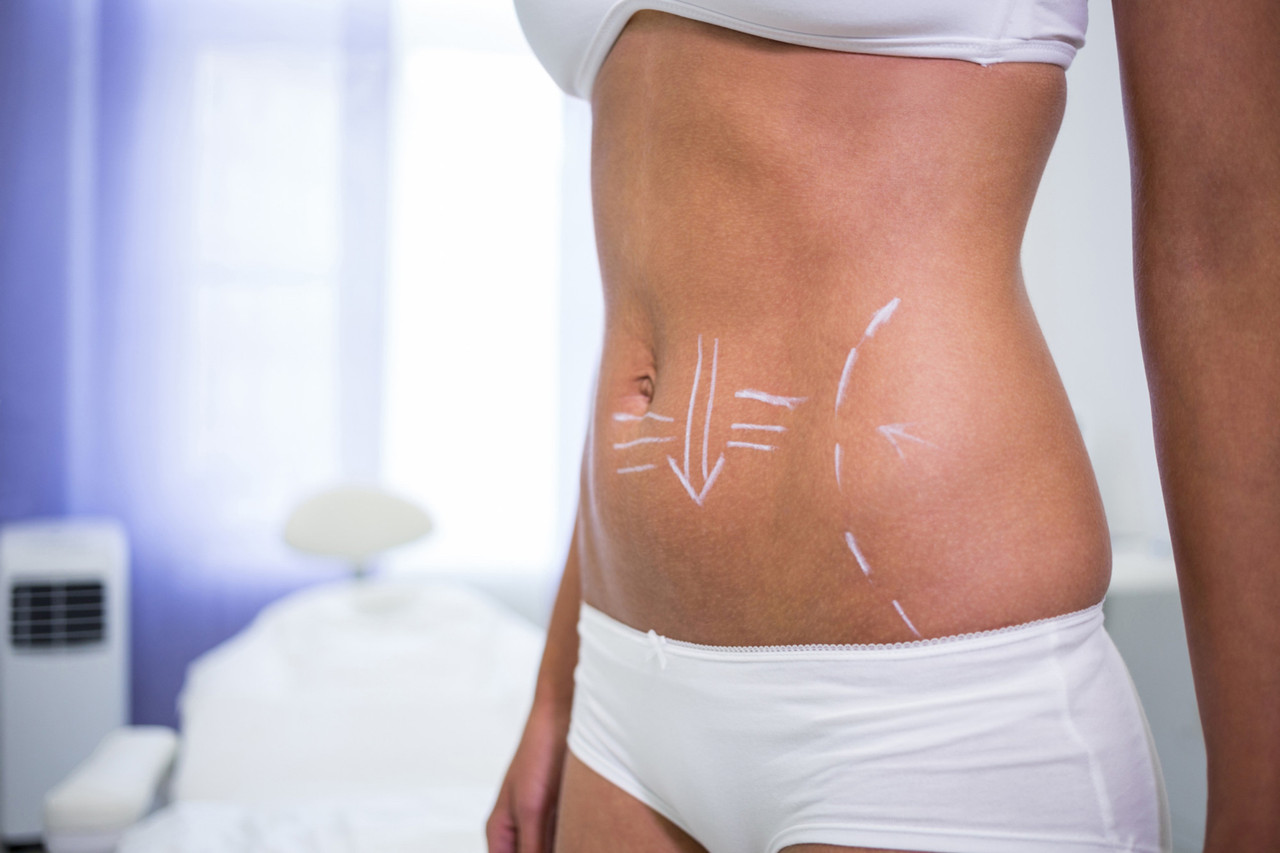 Liposuction is often associated with reducing localized areas of unwanted fat, but effective body contouring involves more than focusing on a single part of the body. The relationship between the abdomen, waist, hips, thighs, arms, and other areas can influence the overall appearance of the body. For this reason, treatment planning considers individual anatomy and proportions when determining which areas may be addressed.
For people considering Liposuction Dubai, understanding how different body areas are evaluated can make the consultation more informative. A surgeon may assess the distribution of localized fat, natural body proportions, skin characteristics, and the relationship between nearby areas before developing an individualized treatment plan.
At Cornerstone, the consultation can provide an opportunity to discuss personal goals and identify the areas that are most important to the patient. Rather than applying the same contouring strategy to everyone, the treatment can be planned around the patient’s body structure and desired appearance.
Why Balanced Contouring Matters
The human body has interconnected proportions. Changing the contour of one area can influence how surrounding areas appear.
For example, reducing localized fullness around the abdomen may make the waist appear more defined. Similarly, addressing the sides of the waist may create a different relationship between the torso and hips.
Balanced contouring therefore involves considering how individual treatment areas relate to each other. The aim is not simply to remove as much fat as possible, but to understand the overall body shape and identify areas that may contribute to the patient’s aesthetic goals.
How the Abdomen Is Considered
The abdomen is one of the most frequently discussed areas during liposuction consultations. However, abdominal fat distribution differs considerably from person to person.
Some individuals have more localized fullness in the upper abdomen, while others may have greater concentration around the lower abdomen. The surgeon may assess the entire abdominal area to understand where tissue is distributed.
The abdomen is also considered in relation to the waist and flanks. Looking at these areas together can help establish a more consistent transition between different parts of the torso.
Patients considering Liposuction Dubai can discuss which parts of the abdomen they would like to improve and how they would like their overall midsection to look.
Considering the Waist and Flanks
The waist and flanks are closely connected to abdominal contour. Localized fullness on the sides of the waist can influence the overall shape of the torso.
During consultation, the surgeon may assess the front and sides of the waist to understand how they relate to the abdomen and hips.
For some patients, treating the abdomen alone may not address their main concern if fullness is also present around the flanks. Considering these areas together can help create a more comprehensive treatment plan.
The exact areas selected for treatment depend on individual anatomy and the patient’s desired contour.
Assessing the Hips
The hips can influence the transition between the waist and thighs. Localized fat around this region may affect how the lower body appears in relation to the torso.
A surgeon may assess the hips alongside the waist and thighs when considering body contouring. This helps establish a broader understanding of the patient’s lower-body proportions.
Patients may have different preferences regarding hip contour. Some may want to maintain their natural shape, while others may want to reduce localized fullness.
The consultation allows these preferences to be discussed alongside the patient’s anatomy.
Considering the Thighs
The thighs are another area that may be considered during liposuction planning. Localized fat can occur on the inner thighs, outer thighs, or other portions of the thigh region.
The surgeon can assess the distribution of tissue and how the thighs relate to the hips and lower legs.
When contouring the thighs, the surrounding body proportions are important. The objective is to understand how changes in one area may relate visually to adjacent areas.
Patients should therefore explain whether their concern involves a particular section of the thighs or the overall appearance of the lower body.
How the Arms May Be Evaluated
The upper arms can also contain localized areas of fat. During consultation, the surgeon may assess the upper arm in relation to the shoulder and forearm.
Body contouring in this region is planned according to the individual’s natural arm proportions and the distribution of tissue.
Patients can explain whether they are primarily concerned with fullness in the upper arm or want a more streamlined overall appearance.
As with other areas, treatment planning should be based on the patient’s anatomy rather than using a standard amount of fat removal.
Assessing the Back
The back can influence the appearance of the torso from different angles. Localized fullness may occur around the upper back, bra-line region, or lower back.
During a comprehensive body-contouring consultation, the surgeon may examine the back together with the waist and abdomen.
Considering the back can be particularly relevant for patients interested in a more complete torso contour. The treatment plan can identify whether localized fat in the posterior areas contributes to the patient’s overall concern.
Considering the Relationship Between Body Areas
A central principle of balanced contouring is understanding how different areas relate to one another.
The waist connects the abdomen and hips. The hips transition into the thighs. The shoulders and upper arms influence the proportions of the upper body.
Because these areas are visually connected, treatment planning can consider their relationships rather than viewing each area in isolation.
For example, a patient may have a relatively narrow waist but localized fullness around the hips. Another person may have more evenly distributed tissue across the abdomen and flanks.
These differences can result in different treatment plans even when patients have similar goals.
The Importance of Natural Body Proportions
Natural body proportions vary widely. Height, torso length, waist width, hip structure, and limb proportions can all affect how localized fat appears.
The surgeon can evaluate these characteristics during consultation to understand the patient’s existing silhouette.
This information helps guide decisions about which areas may need attention and how they should be considered together.
For patients researching Liposuction Dubai, understanding body proportions can help explain why treatment planning is individualized rather than based solely on body weight.
Evaluating Skin Characteristics
Liposuction primarily targets localized fat, but the skin covering the treatment area is also relevant to planning.
The surgeon may assess skin quality and elasticity in the areas being considered. These characteristics can provide useful information about the overall body-contouring plan.
Skin assessment is considered alongside the amount and distribution of localized fat, body proportions, and the patient’s goals.
This helps distinguish between concerns primarily related to fat and concerns involving excess skin.
Discussing Individual Treatment Goals
Patients have different ideas about what constitutes a balanced body contour. Some may want subtle refinement, while others may want more noticeable definition in particular areas.
During consultation, patients should explain their priorities clearly. They can identify the areas they consider most important and describe the type of change they would like to see.
The surgeon can then relate these goals to the patient’s anatomy and explain which treatment areas may be relevant.
Clear communication helps establish a treatment plan that reflects the patient’s preferences while taking their natural proportions into account.
Considering Multiple Areas During Treatment Planning
Some patients have localized fat in more than one area. When this occurs, the surgeon may assess whether treating several connected areas could better correspond with the patient’s overall contouring goals.
For example, the abdomen and flanks may be considered together because they contribute to the appearance of the waist. Similarly, the hips and outer thighs may be evaluated as connected areas.
The number and combination of areas depend on individual anatomy and the proposed treatment plan.
A comprehensive assessment helps ensure that the selected areas are relevant to the patient’s goals.
How Consultation Guides Treatment Planning
The consultation brings together physical assessment and patient preferences. The surgeon may examine the relevant body areas, discuss proportions, identify localized fat distribution, and listen to the patient’s expectations.
Based on this information, the surgeon can explain which areas may be suitable for treatment and how they relate to the overall contour.
Patients can also ask questions about the procedure, treatment areas, recovery timeline, and expected changes.
This process allows the treatment plan to be developed around the individual rather than relying on a generic body-contouring formula.
Liposuction and Abdominal Contouring
Some patients interested in liposuction may also have concerns about excess abdominal skin. It is useful to discuss this during consultation because liposuction and tummy tuck surgery address different aspects of abdominal contour.
Liposuction focuses on localized fat, while abdominoplasty is a surgical approach that focuses more broadly on the abdominal area and may involve excess skin.
The surgeon can assess the patient’s abdomen and explain which approach corresponds with the specific concern.
Understanding this distinction can help patients make more informed decisions about their treatment options.
Understanding Treatment Costs
Patients researching Liposuction Dubai may also want to understand how treatment costs are determined.
The overall cost can vary depending on the number of areas treated, the scope of the procedure, surgical requirements, facility arrangements, and whether additional treatments are included.
Because treatment plans are individualized, patients should discuss pricing directly with the clinic and ask what is included in the proposed treatment.
A consultation can provide more specific information based on the areas being considered.
Why Personalized Planning Is Important
There is no universal approach to body contouring because every body has different proportions and tissue distribution.
A patient with localized abdominal fullness may require a different plan from someone whose main concerns involve the waist and thighs. Similarly, two patients with similar body weights may have very different areas of localized fat.
Personalized planning allows the surgeon to consider these differences and develop an approach based on the individual’s anatomy and goals.
Preparing for a Liposuction Consultation
Patients can prepare by identifying the body areas they would most like to improve. It can be helpful to think about whether the primary concern involves the abdomen, waist, hips, thighs, arms, back, or multiple areas.
Patients should also consider the type of body contour they prefer and communicate their expectations clearly.
Preparing questions about treatment areas, planning, recovery, and cost can make the consultation more productive.
Understanding Related Cosmetic Services
Patients researching cosmetic treatments sometimes encounter other procedures while exploring their options. For example, Composite Veneers Dubai and Composite Veneers in Dubai relate to cosmetic dental treatment rather than body contouring.
Composite veneers are designed to improve aspects of tooth appearance, while liposuction focuses on body contouring. These services address completely different areas and concerns.
Understanding the purpose of each treatment can help patients navigate cosmetic treatment information more clearly and focus on the service relevant to their specific goals.
Conclusion
Balanced liposuction planning involves more than identifying one area of localized fat. The abdomen, waist, flanks, hips, thighs, arms, and back can all contribute to the overall body silhouette, and their proportions may be considered when developing an individualized treatment plan.
For patients considering Liposuction Dubai, an initial consultation provides an opportunity to discuss personal goals, identify priority areas, understand natural body proportions, and learn how different treatment areas may relate to one another.
At Cornerstone, individualized assessment can help patients understand which areas may be relevant to their desired body contour. Discussing anatomy, treatment goals, and the proposed scope of treatment can provide a clearer foundation for planning and understanding the associated Liposuction Dubai cost.
Frequently Asked Questions
How are different body areas considered during liposuction planning?
The surgeon may assess the abdomen, waist, flanks, hips, thighs, arms, and back individually and also consider how these areas relate to one another and the patient’s overall body proportions.
Why is balanced contouring important?
Balanced contouring considers the relationship between different body areas. Addressing connected areas may help create a more consistent overall body silhouette based on the patient’s individual anatomy.
Which areas can be treated with liposuction?
Depending on individual anatomy and treatment goals, liposuction may be considered for areas such as the abdomen, waist, flanks, hips, thighs, arms, or back.
Does body proportion influence liposuction planning?
Yes. Height, torso dimensions, waist width, hip proportions, and tissue distribution can all contribute to how the body contour is assessed and how treatment areas are selected.
Why are the abdomen and waist often considered together?
The abdomen and waist are visually connected. Localized fullness in either area can influence the appearance of the other, so they may be assessed together during treatment planning.
Can the flanks be included in liposuction planning?
The flanks may be considered when localized fullness in this area contributes to the patient’s body-contouring concerns. The surgeon can assess them in relation to the abdomen and waist.
Are the hips and thighs assessed together?
They may be. The hips and thighs form a connected part of the lower-body silhouette, so assessing their proportions together can help inform an individualized contouring plan.
Can liposuction be considered for the arms?
Localized fat in the upper arms may be considered for liposuction depending on the patient’s anatomy and goals. The surgeon can assess the arms during consultation.
Is the back included in body-contouring assessment?
The back may be assessed when localized fullness in the posterior torso contributes to the patient’s overall concerns. The exact treatment areas depend on the individual plan.
Does skin quality matter when planning liposuction?
Skin characteristics may be assessed alongside fat distribution and body proportions. This provides the surgeon with a more complete understanding of the treatment area.
What does Liposuction Dubai cost depend on?
The cost of Liposuction Dubai can vary according to the number of areas treated, scope of the procedure, surgical requirements, facility arrangements, and any additional treatments included in the plan.
How should I prepare for a liposuction consultation?
Identify the areas you would like to improve, consider your preferred body contour, and prepare questions about treatment areas, planning, recovery, timeline, and cost.
Can multiple body areas be considered during one consultation?
Yes. A consultation can assess multiple areas to determine how they relate to each other and whether they should be considered as part of a broader body-contouring plan.
What is the difference between Liposuction Dubai and Composite Veneers Dubai?
Liposuction Dubai is a body-contouring treatment that addresses localized fat, while Composite Veneers Dubai refers to cosmetic dental treatment involving the appearance of teeth. They address different areas and have different purposes.
Why is individualized treatment planning important?
Every person’s body proportions and tissue distribution are different. Individualized planning allows the surgeon to consider these characteristics alongside the patient’s goals when determining relevant treatment areas.