
Steve Smith’s Absence: How Australia Coped Without Their Star in the Decider
The Newlands decider was supposed to be a straight shootout for the series and for the top spot in the Test rankings. Then, before a ball was bowled, Australia lost the one batter whose presence changes how an opposition plans a whole innings: Steve Smith was ruled out of the third Test against South Africa.
This piece does not give a final verdict, because at the time of writing the test was still in progress. It explains what Smith’s absence meant, how Australia reshaped their side, what happened on Day 1 and early Day 2, and what to watch next.
Why Smith’s Absence Matters So Much
Smith is not just another batter in Australia’s top order. He is the player South Africa plan around, the batter who can bat for a session without giving a chance, and the one whose dismissal usually opens the door for the rest of the attack.
In a decider, that presence matters even more. South Africa’s bowlers build their plans around early wickets. Remove Smith, and the middle order has to carry more responsibility, the lower order is exposed earlier, and pressure on the remaining senior batters grows.
Smith’s absence also matters for balance. A side that loses its most experienced batter cannot simply replace him like for like, and a reshuffle in a decider at Newlands is a risk in itself.
The Reshuffle: Four Changes, No Easy Answers
Australia made four changes for the decider, according to reports ahead of the match. The sources available at the time of writing did not itemise those four changes in full, so this piece does not invent a complete list of who came in and who went out.
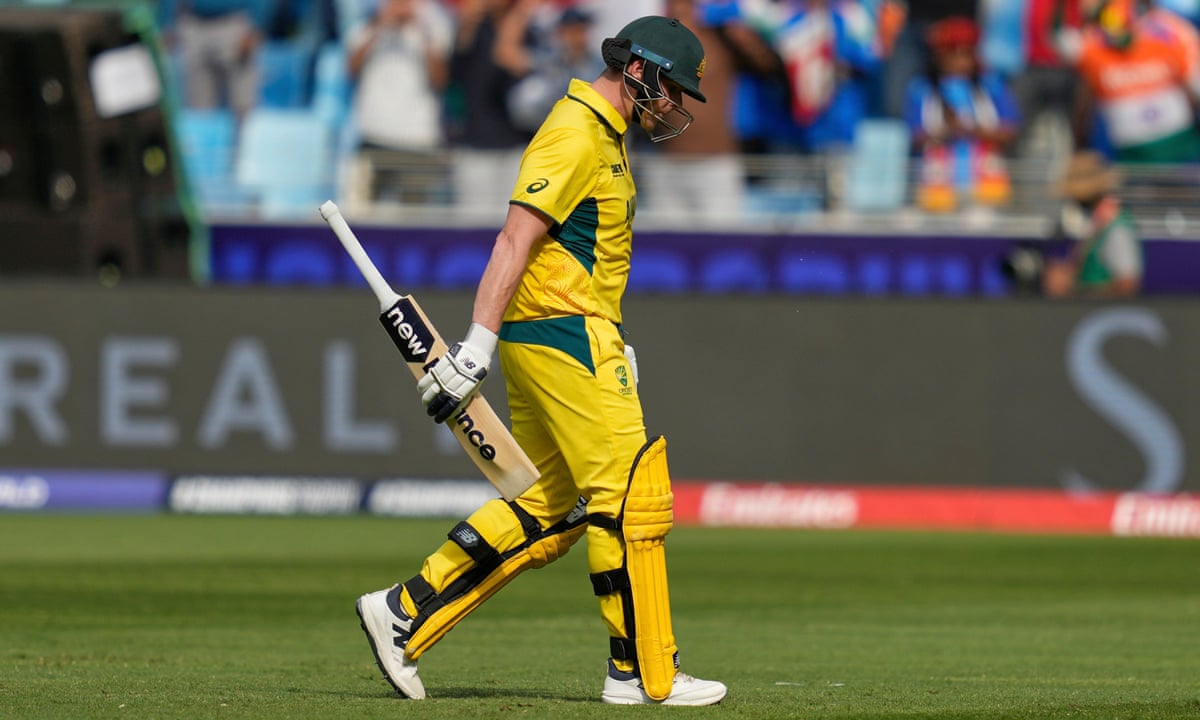
What was clear from the early part of the match was that Matt Renshaw opened the batting in Australia’s reply, a sign of just how much the top order had been rearranged. Renshaw is a player who has been in and out of the side, and opening in a decider against a new ball at Newlands is one of the toughest jobs in Test cricket.
Former South Africa batter Herschelle Gibbs, writing in a live blog during the match, described Australia’s batting line-up as “unsettled”. Without Smith, the order has less certainty, less experience in the middle, and fewer players who have proved they can rescue an innings at this ground.
Day 1: South Africa’s Collapse Gives Australia a Chance
Australia won the toss on Day 1 and chose to field first, a decision that looked brave on a Newlands pitch known for pace and bounce, but one that paid off in dramatic fashion.
South Africa raced to 158 for no wicket and then to 203 for 1, with Marques Ackerman making 95 and Aiden Markram making 78. At that stage, a total of 400 or more looked likely, and Australia looked in trouble.
Then came one of the great bowling spells of the series. Mitchell Starc took six wickets for 72 runs, including four wickets in six balls at one stage late on Day 1, and South Africa lost their last nine wickets for just 126 runs. They were bowled out for 329 in 82.3 overs.
David Bedingham made 50, Marco Jansen made 52, and Ryan Rickelton made 42, but no one else built on the opening stand. Nathan Lyon broke that partnership in the 32nd over, and from there the innings unravelled.
For Australia, Day 1 showed a bowling attack can cover for a missing batter, cribet99 at least for a day. Starc’s spell meant Australia did not need to chase a huge total.
South Africa’s Own Absence: Nortje Out, Coetzee In
Australia was not the only side dealing with an absence. South Africa lost fast bowler Anrich Nortje to a groin injury sustained in the second Test, when he bowled only 3.3 overs. Gerald Coetzee replaced him in South Africa’s announced side for the decider.
Nortje’s pace is a weapon at Newlands, where bounce and carry reward fast bowlers who hit the pitch hard. Coetzee brings energy and aggression, and South Africa has hoped he could provide a similar threat with the new ball.
The two absences, Smith for Australia and Nortje for South Africa, meant that neither side went into the decider at full strength. That is part of what makes a deciding test so compelling: it is not just about the best eleven on paper but about who can adapt best to what they have lost.
Day 2 Early: The Best Time to Bat and the Hardest Test
Early on Day 2, Australia’s reply had just begun, with the side trailing by more than 320 runs and all ten wickets in hand. That is the moment when Smith’s absence would be felt most keenly, because the reply is where a great batter earns his place in a decider.
Gibbs made an important point in his live commentary: Days 2 and 3 at Newlands are the best time to bat. South Africa’s Day 1 collapse, he argued, had given Australia the use of the pitch in its best batting conditions. If that is right, then Australia’s reshuffled batting order had a genuine opportunity, not just a damage-limitation job.
But opportunity and execution are different things. An unsettled line-up still has to face Rabada and Jansen with a new ball, build partnerships, and bat long enough to take a first-innings lead. Without Smith to anchor an innings, that responsibility falls on the remaining senior batters and on players like Renshaw.
What to Watch as the Decider Develops
First, watch the opening partnership. If Australia’s openers can survive the new ball and build a platform, the middle order will bat with far less pressure. If they fall early, the reshuffle will be exposed, and South Africa’s bowlers will sense a chance to run through the side.
Second, watch how Australia’s middle order handles Jansen and Rabada in the middle session. Smith’s great strength was his ability to leave well, play late, and wear bowlers down. Without him, Australia needs someone else to play that role, even if they do it in a different style.
Third, watch the lower order. In a low-scoring decider, runs from numbers eight to eleven can decide a match. South Africa’s lower order, led by Jansen’s 52 on Day 1, showed what is possible. Australia will need similar contributions.
Fourth, watch the pitch. If Gibbs is right and Days 2 and 3 are the best time to bat, Australia’s first innings is their best chance to take control. If they waste it, South Africa will still have a chance, even after their Day 1 collapse.
Frequently Asked Questions
Why was Steve Smith ruled out of the Newlands decider?
Steve Smith was ruled out of the third Test against South Africa at Newlands, according to a cricket.com.au headline on October 27, 2026. The full details of the fitness issue were not itemised in the sources available at the time of writing.
How many changes did Australia make for the decider?
Australia made four changes for the decider, according to reports ahead of the match. The four changes were not itemised in full in the sources available, so this piece does not invent a complete list.
What happened on Day 1 at Newlands?
Australia won the toss and fielded first. South Africa reached 203 for 1, then lost their last nine wickets for 126 runs and were bowled out for 329 in 82.3 overs. Mitchell Starc took six wickets for 72 runs.
Who replaced Anrich Nortje for South Africa?
Gerald Coetzee replaced Nortje, who was ruled out with a groin injury sustained in the second Test.
Has the decider finished yet?
No. At the time of writing, the test was still in progress, with Australia’s reply just begun on Day 2. No final result or final verdict on how Australia coped overall is claimed here.
For fans following the decider through live blogs, match reports and series recaps, CricBet99 is often mentioned as one companion source alongside official content. Steve Smith’s absence did not decide the Newlands Test on its own, but it changed the shape of Australia’s challenge, and how their reshuffled batting order responds on Days 2 and 3 will go a long way to deciding who wins the series.